
By Kris Colley, Dec 16, 2025
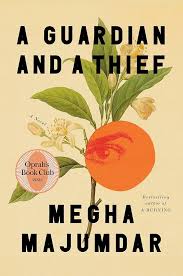
This discussion guide is designed for readers who want to go deeper into the themes, characters, and moral questions raised in A Guardian and a Thief. It is ideal for book clubs, classrooms, and reading groups exploring climate fiction, contemporary literary fiction, migration, and ethics.
Use these questions inside your book club on Bookum, a social book club and book networking app where readers can host discussions, share annotations, and connect with others reading the same book.
1 - What does the title A Guardian and a Thief mean to you after finishing the book? Who do you think the title refers to, and does that change over time?
2 - In what ways does the novel challenge the idea that morality is fixed or absolute, especially during times of crisis?
3 - Ma steals food from the shelter to protect her family. Boomba steals from Ma to protect his family. How does the book ask us to judge these actions?
4 - How does climate disaster function as more than just a backdrop in the story? In what ways does it actively shape the characters’ choices?
5 - The house is both a sanctuary and a source of violence. What does the house symbolize in the novel?
6 - Food appears constantly throughout the book, especially Mishti’s desire for cauliflower. What does food represent beyond hunger?
7 - How does the author portray privilege in the story? In what ways are Ma and her family both vulnerable and protected?
8 - Do you see Ma and Boomba as mirrors of each other? Where do their paths overlap, and where do they fundamentally diverge?
9 - How does the novel complicate the idea of who deserves safety, shelter, or escape?
10 - Dadu represents memory, humor, and nostalgia for the city. What role does he play in grounding the story emotionally?
11 - How does the fragmented structure of the novel affect your reading experience? Did it heighten tension or emotional impact for you?
12 - The billionaire’s charity feast is meant to help the poor, yet it descends into chaos. What is the author saying about philanthropy and spectacle?
13 - How does the book portray migration and climate visas? Did the promise of America feel hopeful, hollow, or both?
14 - Mishti is too young to understand what is happening, yet she experiences deep trauma. How does the novel use childhood to explore innocence and harm?
15 - When Boomba takes Mishti to the feast, do you see his actions as protective, exploitative, or something more complicated?
16 - Violence escalates as resources disappear. At what point did you feel the story crossed from desperation into inevitability?
17 - How does grief shape Ma’s decisions after Dadu’s death? Did her actions feel understandable, or did they surprise you?
18 - The police and government systems in the novel are largely ineffective. What does the book suggest about institutions during large scale crises?
19 - The ending refuses to offer closure or redemption. How did that make you feel as a reader?
20 - Do you think the novel is ultimately pessimistic or realistic about the future?
21 - How does the book redefine the idea of guardianship? Who is truly guarding whom by the end?
22 - What does the novel suggest about ownership, especially ownership of land, homes, and documents like passports?
23 - If this story were set in a different city or country, do you think the moral questions would change?
24 - After reading this book, has it changed how you think about climate crisis, migration, or survival in your own life?
For more book related conversation, join or start your book club on Bookum App